
Why Groceries Can Be Expensive in the Caribbean
Many Caribbean countries rely heavily on imported food for domestic consumption and tourism. When global prices rise, shipping costs increase, or weather affects supply chains, shoppers often feel it at the supermarket.
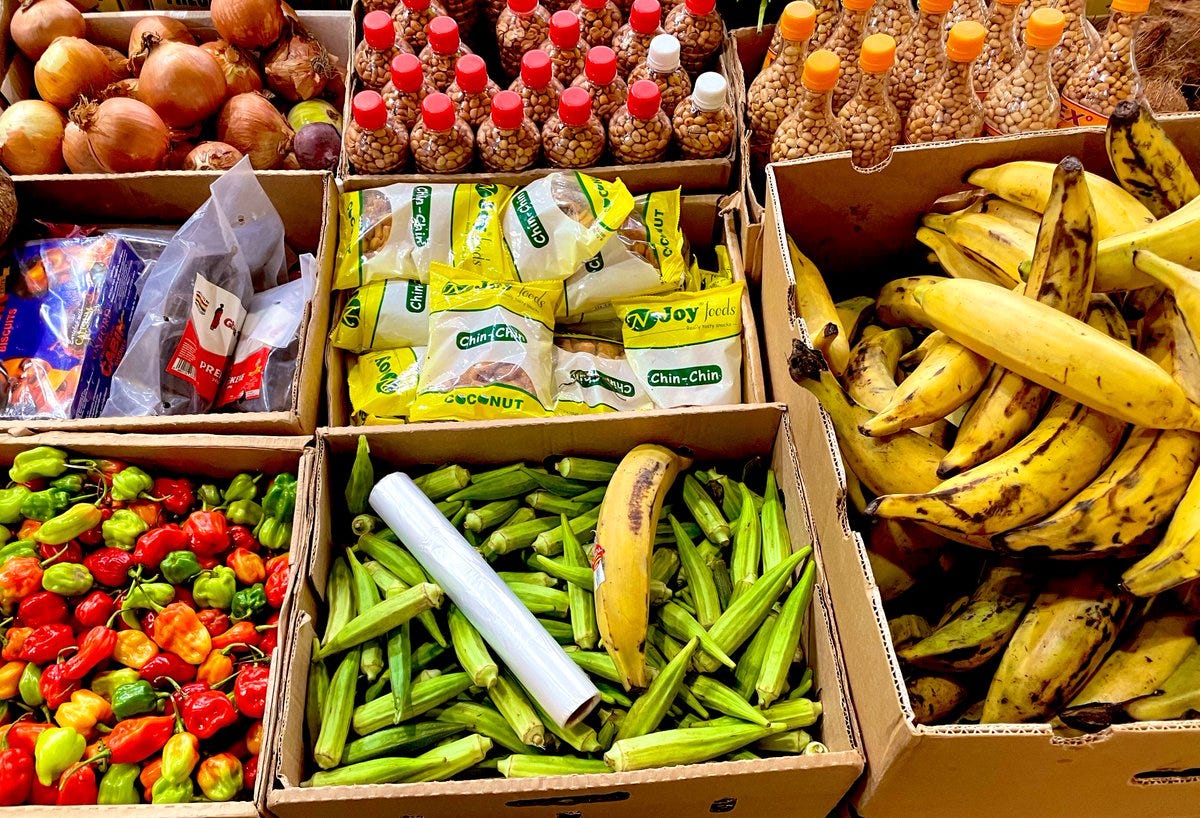
Shop Local Markets First
- fresh fruit
- vegetables
- ground provisions
- herbs
- local seasoning
- fish
- eggs
- coconut products
- seasonal produce
Learn What Is Local vs Imported
A smart Caribbean grocery budget starts with one question: “Was this produced locally or imported?”
- local root crops instead of imported potatoes
- fresh local fruit instead of imported berries
- local seasoning blends instead of imported sauces
- market vegetables instead of pre-packed supermarket produce
- local fish when available instead of imported frozen seafood
Use Supermarkets Strategically
- dry goods
- toiletries
- cleaning supplies
- frozen items
- baby products
- pharmacy basics
- bulk goods
- imported items you cannot get elsewhere
- Buy fresh produce at the market.
- Buy staples at supermarkets.
- Compare imported brands.
- Use bulk stores where available.
- Keep a running price list for items you buy weekly.
Buy Seasonal and Cook Flexible Meals
Food Security and Price Pressure Are Regional Issues
This topic is bigger than personal budgeting. In 2025, the United Nations in the Caribbean reported that nearly 3.2 million people in the English- and Dutch-speaking Caribbean were food insecure, based on WFP and CARICOM survey findings.
CARICOM has also pursued a regional goal to reduce the food import bill by 25% through its agri-food systems strategy.
Practical Ways to Save on Caribbean Groceries
1. Go to the market early
Early shoppers often get better selection, especially for fresh produce and fish.
2. Ask what is in season
Vendors usually know what is plentiful and what is expensive that week.
3. Reduce imported snacks
4. Cook more local meals
Local dishes often make better use of affordable regional ingredients.
Generic or regional brands may cost less than international labels.
6. Watch the weather and holiday periods
Prices can shift around storms, shipping delays, public holidays, Carnival seasons, Christmas, and back-to-school periods.
7. Build a pantry
Rice, peas, flour, oats, canned fish, seasonings, oil, lentils, and frozen items can help reduce last-minute expensive purchases.
Quick Answer: How Do You Save Money on Groceries in the Caribbean?
To save money on groceries in the Caribbean, shop local markets for seasonal produce, use supermarkets for staples, reduce imported packaged foods, compare prices across stores, and plan meals around local ingredients.
FAQ
They can be, especially imported goods. The region’s reliance on food imports makes many countries vulnerable to global price changes and supply chain costs.
Often for fresh produce, but not always for every item. The best approach is to use both.
Why are imported foods expensive in the Caribbean?
Imported foods can reflect shipping, energy, storage, duties, and distribution costs, along with global food price changes.
What should new residents buy locally?